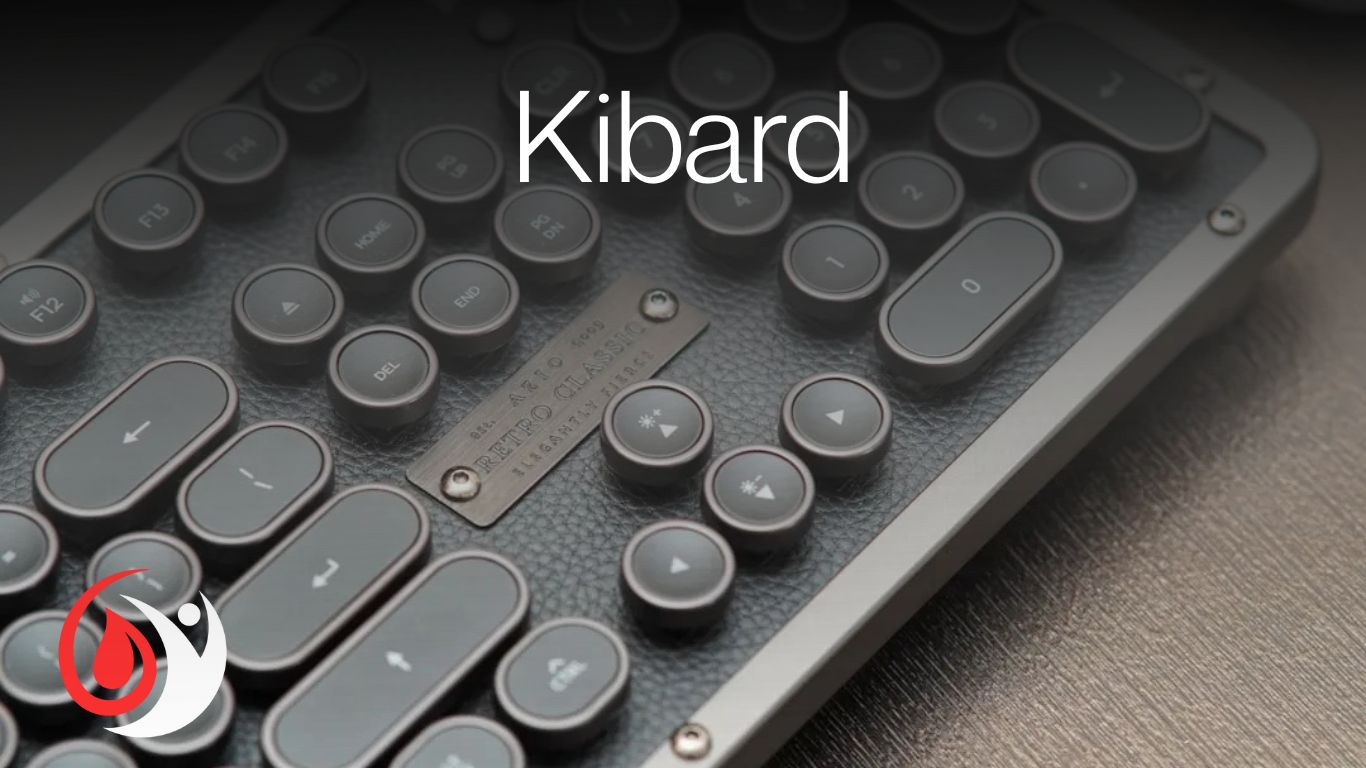
When someone types kibard into a search bar, it often stems from a quick slip of the fingers. This term usually points to keyboard, a device central to how we connect with technology every day. Such errors happen all the time, especially on small screens or during rushed moments. Still, they lead curious minds to explore the full story behind these tools. Keyboards have shaped computing from the start, turning thoughts into text with a press.
This piece clears up the word confusion by covering everything from its roots as a spelling mix-up to the broader world of input devices. Expect details on how keyboards work, their varieties, and ways to pick one that suits your style. Whether for work, play, or creation, understanding what opens doors to better choices. Readers will find practical advice mixed with background facts, all aimed at making daily interactions smoother.
Spelling slips like kibard remind us of human quirks in a tech-driven setup. They highlight why design matters in these gadgets. Over the years, keyboards have changed from clunky machines to sleek companions. This evolution reflects shifts in how we use them, from basic entry to complex commands.
Story Behind Kibard as a Spelling Slip
Kibard pops up when keys get jumbled. The letters sit close on standard arrangements, making it easy to hit i instead of e, or b before y. This results in them rather than keyboard. It’s a small mistake, but one that search tools handle by showing related results. People notice it in emails, notes, or queries, often fixing it right away.
Reasons for this error include speed. When fingers fly across keys, accuracy drops. Touchscreens add to the issue, as they lack physical bumps for guidance. Voice inputs sometimes hear this too, based on accents or background noise. These factors combine in busy settings, like chatting on the go or drafting under pressure.
Beyond mechanics, kibard shows how language adapts online. Short forms and autocorrections create new patterns. In some cases, it even sparks light-hearted shares on forums. Recognizing it helps users spot their own habits and adjust. Simple steps, like pausing to check, cut down on repeats.
Why Kibard Happens More Often Now: Mobile devices play a big part. Their compact size squeezes keys together, inviting slips. Apps with predictive text try to help but sometimes suggest wrong fixes. Kibard emerges from this mix, especially in informal talks.
Fatigue contributes as well. Late-night sessions or long hours lead to less control over presses. Distractions pull attention, turning keyboard into that without notice. Awareness of these triggers encourages better routines, like setting device alerts for common fixes.
Global users face extra hurdles. Different languages influence how English terms get entered. They might appear more in regions where keyboards differ from standard ones. This variety enriches digital spaces but calls for flexible tools.
Kibard & Evolution of Input Devices
Tracing back, input devices began with manual typewriters in the late 1800s. Inventors sought ways to print letters fast and clear. The QWERTY setup, still common today, spread keys to avoid jams in those early models. Kibard as a term echoes this history, linking modern errors to old designs.
Electric versions came next, adding power for easier use. By the 1960s, computers paired with these, making them key for data entry. They searches often reveal this timeline, showing how far we’ve come. From punch cards to touch pads, each step built on the last.
Today, kibard leads to talks on wireless and virtual options. These free users from cords, allowing movement. Yet, they keep the core idea: translating actions into code. This progression ties them to ongoing changes in tech.
Major Milestones in Design: 1878 marked the first commercial typewriter success. It set standards for key placement that persist. Kibard ties into this by highlighting layout flaws that cause mix-ups.
1981 brought the IBM PC keyboard, standardizing 101 keys. This model influenced countless others, embedding QWERTY worldwide. The errors thrive here, as familiar patterns breed quick but faulty inputs.
Types of Keyboards Explain Through Kibard
Exploring kibard uncovers various keyboard styles. Mechanical ones stand out with springs under each key. They provide a satisfying click, favored by those who type a lot. Durability makes them last, resisting wear from heavy use.
Membrane types use layers of material to register presses. They’re quieter and cheaper, suiting casual setups. They might direct seekers to these for budget picks. Laptops often feature them, blending portability with function.
Mechanical Options in Detail: Switches define mechanical boards. Blue ones click audibly, ideal for feedback lovers. Red variants move smoothly, preferred in fast-paced games. It can guide to brown switches, offering a middle ground with subtle bumps.
Lighting features enhance visibility. RGB setups let colors change per key. Kibard searches show how this aids in dim rooms, cutting errors like the term itself.
Membrane and Hybrid Choices: Membrane boards shine in silence. Offices use them to avoid distracting sounds. It ties to their rubber domes, which cushion presses softly.
Wireless membranes free desks from clutter. Batteries last weeks, making them practical. Kibard highlights connectivity options, like Bluetooth for multiple devices.
Choosing the Right Keyboard After Kibard Searches
A good keyboard boosts output. Keys that respond well speed up work, letting ideas flow without breaks. as an entry point shows how mismatched ones slow progress. Comfort reduces aches.
Proper height and angle keep wrists straight, preventing issues over time. It reminds us to consider this in selections. Customization adds fun. Programmable keys set shortcuts for frequent tasks. It uncovers software that maps functions, tailoring to needs.
Common Issues and Solutions in Keyboard Use
- Stuck keys frustrate. Debris causes this; air cans clear it. It ties to prevention through covers.
- Battery drain plagues wireless models. Charge habits help. It suggests power-saving modes.
- Software glitches occur. Updates fix them. It directs to forums for troubleshooting.
Fixing Connectivity: Re-pair devices if links drop. It advises resetting Bluetooth. Interference from other gadgets disrupts. Move away from routers. Kibard notes 2.4GHz bands as common culprits.
Firmware refreshes improve stability. Download from makers. It warns to back up settings first.
Handling Wear: Replace switches in modular boards. It shows tools for this. Lube moving parts for smoothness. Guides explain safe methods. It cautions against overdoing it. Monitor key fade. Stickers refresh labels. Kibard finds durable prints.
Context of Future Tech
Upcoming designs integrate touch. Hybrid surfaces blend keys with screens. It hints at flexible materials. AI predicts inputs better. Learns patterns to suggest. Vibrations mimic textures. It explores wearable extensions. It Energy-efficient chips save power. Kibard links to solar options.
Integration with Other Devices: Voice commands supplement keys. It envisions seamless switches. AR overlays guide typing. Glasses show layouts. It speculates on training uses. Cloud syncs preferences. Access anywhere.
You Also wanted to know about: Eurogamersonline.com PC Gaming
FAQs About Kibard
1. What does kibard refer to?
Kibard commonly appears as a misspelling of keyboard. It happens from finger slips or voice misreads. This term directs searches to input device info.
2. Why is kibard a frequent typing error?
Close key positions on QWERTY cause kibard. Speed and distractions amplify it. Touchscreens without tactile cues add to the mix.
3. Is kibard an actual product or brand?
No, kibard lacks official standing beyond typos. Some sites use it for keyboard content. It serves as a gateway to real tools.
4. How can I prevent kibard-like mistakes?
Slow typing and review text. Enable device corrections. Practice standard positions to build precision.
5. What main keyboard categories exist?
Mechanical provide feedback and last long. Membrane offer quiet operation affordably. Ergonomic focus on comfort for extended use.
6. How did keyboards develop over time?
Began with typewriters in 1800s. Evolved to computer standards in 1980s. Now include wireless and customizable features.
7. What perks come with mechanical keyboards?
They deliver responsive presses for speed. Custom switches suit preferences. Strong builds handle heavy daily demands.
8. How should I maintain my keyboard?
Remove dust with air. Wipe surfaces gently. Keep away from liquids to avoid damage.
9. Are there different keyboard arrangements?
QWERTY dominates English. Dvorak aims for efficiency. Regional variants adjust for languages.
10. What’s next for keyboard technology?
AI aids predictions. Haptic improvements enhance feel. Eco materials promote longer use.
Conclusion
Kibard starts as a simple error but unlocks a vast area of knowledge. From basic types to advanced tweaks, keyboards touch every digital step. Picking one wisely enhances daily tasks, cutting frustration. As tech advances, these tools will adapt, keeping kibard relevant as a reminder of human elements in machines. Consider your needs, try options, and enjoy the difference.